
The Hidden Risk of Losing What You Built
I still remember the chilly Tuesday morning when my phone buzzed with an alert that changed the way I thought about protecting my business. A loyal customer sent me a link to a new online store that looked exactly like mine.
They appeared to be using my logo, product photos, and brand name in a way that could confuse customers. My stomach dropped as I realized they were stealing my hard-earned customers by selling cheap copies.
I sat at my desk, staring at the screen in complete disbelief and feeling totally helpless. I had put all my savings and energy into this dream, yet I forgot to lock the virtual front door.
That was the day I learned a painful lesson about how easy it is to lose everything if you do not secure your creations early.
Many small business owners wake up every day with a great idea, but they never think about legal protection. They spend months designing logos, writing copy, and building unique products without realizing someone else can just take them.
This constant worry can keep you up at night, wondering if your competitors are copying your hard work. You might feel overwhelmed by the complex legal words and the high cost of hiring big lawyers.
It feels like a game where only giant corporations with millions of dollars can afford to play and win. But I am here to tell you that this is not true, and you can secure your business without breaking the bank.
Let us look at some common myths that keep business owners from taking action.
The good news is that protecting your intellectual property does not have to be complicated. A few practical steps can significantly reduce the risk of someone copying your work.
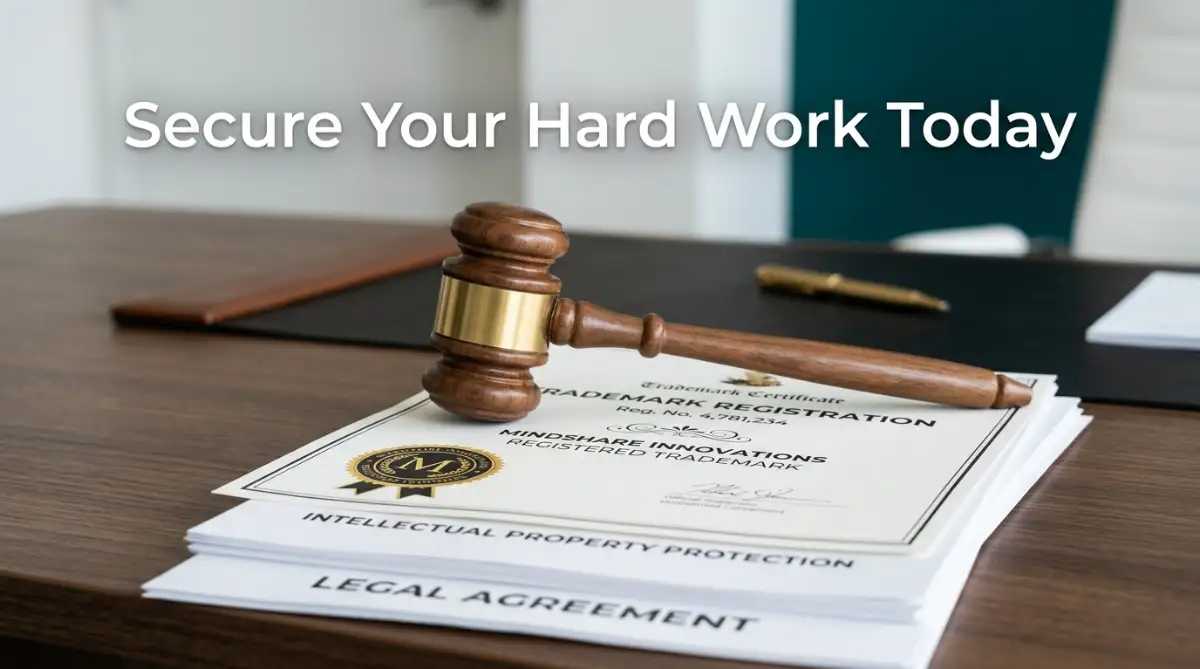
The True Meaning of Your Business Assets
To start protecting your work, you must first understand what you actually own. Many people think intellectual property is just for inventors with complex machines or software codes.
In reality, intellectual property includes many of the assets that help customers recognize and trust your business. It includes your business name, your website design, your special recipes, and even your customer lists.
If these assets are not protected, your competitors can use them to steal your market share. Let us break down the four main types of protection so you can see which ones fit your business assets.
Locking Down Your Brand Identity with Trademarks
A trademark is what protects things that identify your brand to your customers. This includes your brand name, your logo, your unique slogan, and even your distinct packaging.
When you register a trademark, you get the exclusive legal right to use those elements in your industry. If anyone tries to copy your brand name to confuse buyers, you gain stronger legal grounds to challenge unauthorized use.
To start this process, you should search the database of your local trademark office. This helps you make sure no one else is already using a similar name or logo.
Once you confirm the name is clear, you can file an application online through your country's official trademark website. It takes some time to get approval, but starting early gives you peace of mind.
Shielding Your Creative Work with Copyrights
Copyrights are designed to protect original creative works that you have written, filmed, or drawn. This covers your website blog posts, your product photos, your videos, and even your marketing brochures.
The moment you create something original, you technically own the copyright to it. However, registering that copyright formally gives you much stronger legal protection if you ever need to go to court.
The Pro Tip:
Pro Tip: Many business owners assume that adding a copyright notice to their website is enough. In reality, formally registering important creative works often provides stronger legal protection if a dispute arises.
If you find someone using your images or text without permission, you can send them a formal takedown notice. Most web hosts will quickly remove copied content if you show them proof of your registration.
Safeguarding Your Inventions with Patents
If you have designed a brand-new physical product or a unique machine, you need to look into patents. Patents give you the exclusive right to make, use, and sell your invention for a set number of years.
This prevents large companies from seeing your product, copying the design, and manufacturing it at a lower cost. There are two main types of patents you should know about.
- Utility Patents: These protect the way an invention works, such as a new mechanical tool or a unique software process.
- Design Patents: These protect the unique visual look and shape of your product, rather than its function.
Applying for a patent is often more complex than getting a trademark or copyright. If you believe your invention is truly unique, it is wise to consult a patent agent to help you draft the application.
Protecting Your Secret Methods and Trade Secrets
Some of your most valuable business assets might not fit into trademarks or copyrights. These are your trade secrets, which include things like your secret recipes, your special formulas, or your unique customer lists.
Since you cannot register these with the government, you must protect them through strict internal security measures. This means limiting who has access to this information within your company.
To see how these different types of legal protections work together in a real business, watch this helpful video explaining the basics of intellectual property.
Learn how simple legal protections can save your business from copycats.
Always use clear legal agreements when sharing secret information with employees, partners, or outside contractors. These documents keep your secrets safe by making it illegal for others to share them.
Setting Up Strong Contracts for Your Team
When you hire people to help build your business, you must be clear about who owns the final work. Many owners assume they own everything their freelancers or workers create.
In the legal world, this is not always true unless you have it in writing. You should always use a written contract that includes an intellectual property assignment clause.
- For Employees: Ensure their employment contracts state that all work created during work hours belongs to the company.
- For Freelancers: Use a "Work Made for Hire" agreement before they start designing your logo or writing your website code.
- For Partners: Write down exactly who owns the ideas if your partnership ever comes to an end.
These simple documents will prevent expensive arguments in the future about who truly owns the brand assets.
Checking Your Brand Safety Regularly
Protecting your assets is not a one-time job that you can just set and forget. You must regularly search the internet to make sure no one is using your brand without permission.
Set up free online alerts for your business name and product names to see when they are mentioned online. If you spot a copycat early, you can often stop them with a simple, polite email before things get worse.
Taking these steps shows everyone that you take your brand seriously and are ready to defend your hard work. You built your business with passion, so make sure you build clear legal protection around it.
Next-Level Strategies to Safeguard Your Small Business Ideas
Protecting your brand name is a great first step, but smart business owners look further down the road. Once you secure your basic trademark and copyright, you need to establish long-term habits to protect your assets. Let us discuss some advanced techniques that will help keep your competitors from copying your hard work.
Using Non-Disclosure Agreements for Every Project
A Non-Disclosure Agreement, or NDA, is a simple legal contract that keeps people from sharing your secrets. Whenever you talk to a new manufacturing partner, a web designer, or an outside helper, they must sign this document first. This agreement adds an extra layer of legal protection for your confidential information.
If someone shares your plans after signing an NDA, a signed NDA may strengthen your legal position if confidential information is disclosed without permission. This is especially useful when you are still developing a new product and have not yet filed for a formal patent.
Monitoring the Online Market Regularly
You cannot protect what you do not watch, which is why regular brand monitoring is so important. Set aside one hour every single month to search for your brand name, product titles, and slogan on Google and major social media sites. You can also set up automated Google Alerts that send you email updates whenever someone mentions your unique terms online.
If you find someone using your photos or text, you can use online search tools to find their website host. Most hosting platforms will take down copied content quickly if you submit a formal complaint with proof of your ownership. This simple monthly habit helps you catch small copycats before they grow into major legal headaches.
Securing Your Digital Territory Internationally
If you sell physical goods or digital services online, your customers might live in different countries. It is important to understand that trademarks and copyrights only protect you in the country where you registered them. If you plan to expand your sales, you should look into international protection systems.
A great way to do this is through the World Intellectual Property Organization, which lets you apply for protection in multiple countries at the same time. Securing your international rights early prevents foreign copycats from hijacking your brand name in other markets. It helps reduce the risk of trademark conflicts as your business expands into new markets.
Creating a Legal Strategy for Growth
As your company grows, the value of your ideas and brand assets will grow as well.Securing your trademarks, copyrights, and other intellectual property can increase the overall value of your business and make it more attractive to investors or potential buyers. Investors and buyers will pay a lot more for a business that owns its trademarks and patents.
You should keep a clean folder with all your registration papers, signed contracts, and design dates in one safe place. Just like gathering documents when preparing for a divorce lawyer consultation, you must organize all your brand creation dates before meeting a patent attorney. Keeping these papers ready makes your business look professional and more valuable.

Dangerous Blind Spots That Can Destroy Your Brand Overnight
Many small business owners fall into simple traps that put their hard work at high risk. Understanding these common mistakes will help you avoid costly legal battles down the road. Let us look at the most frequent errors people make when trying to protect their ideas.
Confusing Business Names with Trademark Rights
The most common mistake is thinking that registering your business name with your local state office protects your brand. A state registration only allows you to pay taxes and run your business under that name in that specific area. It does not stop a competitor in another state from using your exact name and logo to sell similar products.
To get true, nationwide protection, you must register a trademark with a national government office. You can learn more about this official registration process directly on the United States Patent and Trademark Office website. Skipping this step leaves your brand name open for anyone else to take.
Waiting Too Long to Register Your Assets
Many people wait until their business is highly successful before they think about legal protection. They think they should wait until they are making lots of money to spend on registration fees. This delay is highly risky because copycats can register your name before you do.
If someone else registers your logo or name first, it becomes incredibly difficult to get those rights back. You might have to change your brand name completely, which means losing all your customers and starting from scratch.
Failing to Clear Your Ideas First
Before you launch a new product or logo, you must make sure you are not accidentally copying someone else. Many creators design a beautiful logo only to find out later that another company owns a similar design. Using another brand's look can lead to an expensive lawsuit, even if you did not mean to copy them.
Always run a thorough search on search engines, social networks, and national trademark databases before launching. Knowing how to choose the right personal injury lawyer requires looking at specialized experience, and the same rule applies when picking a trademark attorney. A professional check early on can save you thousands of dollars in legal fees and re-branding costs.
Not Protecting the Work of Outsourced Freelancers
When you hire a freelancer on a popular gig platform, you do not automatically own the work they create. Without a clear contract, the designer owns the copyright to your logo or website design under basic copyright laws. You must have a signed agreement that transfers all ownership rights to you upon payment.
If you skip this contract, the freelancer could theoretically sell that same design to another business later on. Always use written contracts that state all creations are your exclusive property. This keeps your designs safe and ensures you have full control over your brand assets.
Your Step-by-Step Path to Business Peace of Mind
Securing your creative assets might feel a bit intimidating at first, but it is one of the best things you can do for your business. Navigating legal paperwork can feel scary, much like trying to navigate your first mortgage application process without feeling overwhelmed. However, taking simple, steady steps today will protect your hard work for many years to come.
Start by listing your most important assets, like your logo, your main products, and your website text. Take time to check if you have registered your copyrights, and start searching trademark databases to ensure your brand name is safe. Managing your cash flow and assets at FinanceInfoIn to keep your business strong goes hand-in-hand with securing your unique creations.
Just like learning how to understand your insurance declaration page, reviewing your trademark registration papers keeps you aware of your actual coverage limits. Once you have these protections in place, you can focus on growing your business with absolute confidence.
I know how stressful it can feel to worry about someone copying your hard work. Many small business owners find that protecting their intellectual property early gives them greater confidence to grow. The sooner you secure your brand, the easier it becomes to focus on building your business instead of worrying about copycats.
You have worked too hard to build your dream, so take action today to protect it.
Common Questions About Brand Protection
Does a copyright protect my business name and logo?
No, copyrights only protect original creative works like articles, music, videos, and photos. To protect your business name, logo, or slogan, you must apply for a trademark. You can read about copyright rules directly on the official United States Copyright Office website.
Can I protect an idea that I have not built yet?
You cannot protect a simple thought or concept that is only in your head. To get legal protection, you must write your idea down, draw it, or build a working model. Once you create a tangible version of your idea, you can apply for a patent, trademark, or copyright.
How much does it cost to get a trademark?
The cost of registering a trademark depends on your country and how many categories of goods you sell. Generally, filing a basic online trademark application with the government costs a few hundred dollars. This small investment saves you from the massive costs of changing your brand name later.
What should I do if someone copies my website content?
If you find someone using your text or images, you can write them a polite email asking them to remove it. If they refuse, you can send a formal DMCA takedown notice to their website hosting company. The host will usually remove the stolen content quickly to avoid legal trouble themselves.
Do I need to hire a lawyer to register my trademark?
You are allowed to file your own trademark application online without hiring a lawyer. However, if your brand name is highly unique or complex, getting help from an expert can prevent mistakes. A legal professional ensures your application is filed correctly so it does not get rejected.
How long does trademark protection last?
A registered trademark can last forever as long as you keep using it and pay the renewal fees. Usually, you must file renewal papers every ten years to show the government you are still active. This long-term protection keeps your brand secure as your company grows over the decades.
Disclaimer
The information provided in this article is for educational and informational purposes only and does not constitute formal legal advice. While we aim to provide accurate and helpful guidance, laws change frequently and vary by location. Please consult a qualified intellectual property attorney to address your specific business needs and legal questions.