The Hidden Struggle of Starting a Garden from Scratch
I always thought growing vegetables would be easy. I bought a few plants, watered them every day, and expected a healthy harvest within weeks. Instead, I ended up with weak plants and a lot of disappointment. Looking back, I was not failing because I lacked talent. I simply did not know the basic steps that every beginner should learn first.
The dream of picking juicy, red tomatoes or crisp green lettuce from your own backyard is beautiful. Many of us imagine walking outside in the morning sun and harvesting fresh food for breakfast. It sounds like a peaceful, healthy, and rewarding way to live your life.
Unfortunately, the actual reality of starting your first garden can feel incredibly overwhelming. You might buy expensive plants, spend hours digging, and end up with nothing but yellow leaves and dry dirt. This painful experience makes many beginners feel like they simply do not have a green thumb.
You do not need a special, magical gift to grow your own fresh food. The main problem is that the internet is filled with confusing and conflicting advice.
Why Beginner Gardeners Often Fail on Day One
- Using poor-quality yard soil: Many beginners simply dig a hole in their lawn and drop a plant inside. This hard, compact dirt suffocates the baby roots and starves the plant of necessary nutrients.
- Overwatering or underwatering: Without a clear guide, it is easy to drown your plants or let them dry out completely. Plants need a balanced and consistent watering routine to stay strong.
- Choosing the wrong plants: Trying to grow complex, difficult vegetables right away is a major recipe for disappointment. Starting with fragile, hard-to-grow crops often leads to quick failure.
- Buying unnecessary chemicals: Many people rush to buy synthetic fertilizers and chemical sprays. These expensive products can actually damage your soil and ruin the natural growth of your plants.
How Gardening Failures Damage Your Peace of Mind
- Wasted time and money: Spending your hard-earned cash and weekend hours on dead plants feels highly discouraging. It can make you want to give up on your healthy living goals entirely.
- Loss of personal confidence: Watching your plants wither away can make you feel like you are bad at simple tasks. It replaces a relaxing, therapeutic hobby with unwanted stress and doubt.
- Confusion from information overload: Reading endless forums with complicated scientific terms can make gardening feel like rocket science. It strips away the simple joy of connecting with nature.
We want to change this frustrating cycle and make your first experience a true success. Growing food is not a secret art; it is simply about following a few basic, natural rules.
Let us look at a simple, stress-free way to build your first garden without getting overwhelmed. By focusing on the essentials, you can build a thriving garden space that brings you pure happiness and fresh food.
Your Simple Step-by-Step Roadmap to a Thriving Backyard Garden
Now, let us walk through the first three essential steps to start your garden successfully. These steps are designed to be easy, cheap, and highly practical for anyone with zero past experience.
Step 1: Find the Best Sunny Spot in Your Yard
Plants are natural, solar-powered living things that need sunlight to create their own food. Without enough direct sun, your vegetable plants will grow weak, tall, and will not produce any food.
To find the perfect spot, you must observe your backyard during different times of the day. Walk outside at 8 AM, 12 PM, and 4 PM to see where the sun shines brightest. Vegetable plants generally need at least six hours of direct sunlight every single day.
Avoid placing your new garden under the heavy shade of large trees or right next to tall walls. Tree roots will also compete with your vegetables for water and valuable soil nutrients.
Imagine trying to charge your phone with a broken solar charger in a dark room. That is exactly what happens to a tomato plant when you place it in the shade of a big oak tree.
Keep your garden close to your actual house so you can see it and access it easily. If your garden is hidden in a far corner of your yard, you might forget to water and care for it regularly.
How to Map the Sun in Your Garden
To map the sun easily, take a piece of paper and draw a simple layout of your yard. Mark the spots that stay bright during the midday heat and the spots that get covered in shadow.
This simple exercise ensures you do not waste time digging in the wrong area. A sunny location is the single most important factor for a highly productive garden.
Once you find the ideal sunny spot, make sure you have a water source nearby. Dragging a heavy hose across your entire yard every day will quickly make gardening feel like a painful chore.
Step 2: Build Rich, Fluffy Soil
Soil is not just plain dirt; it is the actual foundation of your garden's health. If you start with bad, hard soil, your vegetables will struggle to survive no matter how much you water them.
The easiest way for a beginner to get perfect soil is by using a simple raised bed or large pots. This method allows you to control exactly what goes into your soil mix without digging up your hard lawn.
For a perfect beginner soil mix, combine equal parts of organic compost, peat moss, and coarse vermiculite. This creates a light, fluffy, and dark soil that holds moisture while letting extra water drain away easily.
Organic compost provides the natural food and nutrition that your young plants need to grow strong. Peat moss helps hold onto water so you do not have to water your garden every single hour. Coarse vermiculite creates tiny air pockets in the soil so the plant roots can breathe and expand freely.
Think of this fluffy mix as a comfortable, nutrient-rich bed for your plant roots. Hard, clay-heavy backyard dirt is like trying to grow roots through a block of solid concrete.
Avoid using chemical fertilizers because they can burn the delicate roots of your young vegetable plants. Stick to natural, organic compost to feed your soil safely and keep your food healthy.
The Clay Test for Your Yard
To understand why your current yard dirt might not work, try the simple hand-squeeze test. Grab a handful of moist dirt from your yard and squeeze it tightly in your fist.
If it forms a hard, sticky ball that does not break when you poke it, you have heavy clay soil. This type of soil trap water and starves your plant roots of oxygen.
By building a simple raised bed, you bypass this problem completely. You fill the bed with your homemade, fluffy mix and give your plants the best start possible.
Step 3: Select Easy, Beginner-Friendly Vegetables
One of the biggest mistakes new gardeners make is trying to grow difficult, temperamental crops. To keep your motivation high, you should start with vegetables that grow fast and survive easily.
Leafy greens like spinach, kale, and leaf lettuce are incredibly easy to grow from seeds. They grow quickly, do not take up much space, and you can harvest the leaves multiple times throughout the season.
Another fantastic option for beginners is cherry tomatoes because they are much hardier than large slicing tomatoes. They produce a massive amount of sweet, bite-sized fruit with very little daily maintenance.
Radishes are also a wonderful confidence booster for any brand-new gardener. They can grow from a tiny seed to a fully edible vegetable in just three to four weeks.
Bush beans are another great choice because they do not require complex trellises or supports. They grow into small, compact bushes and naturally help improve the soil by adding nitrogen to it.
Start with just two or three types of vegetables during your very first season. This keeps your backyard garden manageable and prevents you from feeling overwhelmed by different plant needs.
Starter Plants Versus Seeds
As a beginner, you might wonder whether to buy seeds or small starter plants from a nursery. For plants like tomatoes and peppers, buying starter plants is the easiest option.
These young plants already have strong roots and are ready to go straight into your soil. This saves you weeks of careful indoor seedling care and guarantees a faster harvest.
For leafy greens, radishes, and beans, planting seeds directly into your garden soil works beautifully. These seeds sprout quickly in warm soil and do not like being moved once they start growing.
By combining starter plants and seeds, you get the best of both worlds. You get instant green plants in your garden while experiencing the joy of watching seeds sprout.
Summary of Your Daily Garden Routine
Once your garden is set up, your daily maintenance should take less than ten minutes. Walk out to your garden every morning to check the moisture level of the soil.
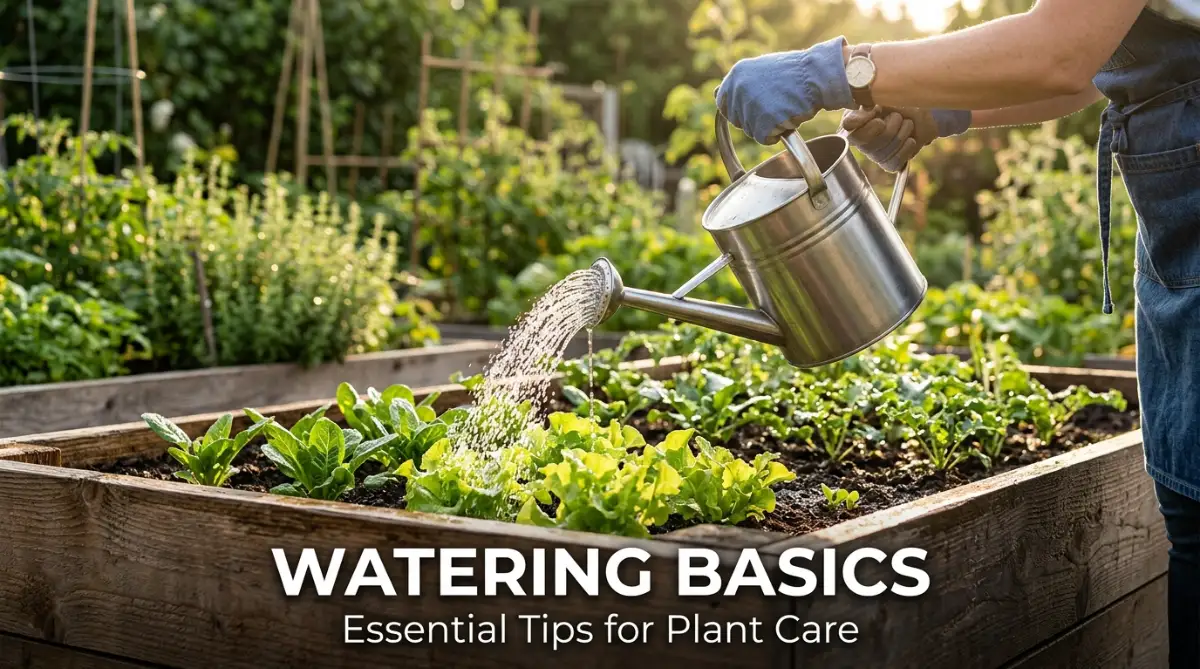
Stick your finger about one inch deep into the soil mix to see if it feels dry. If it feels dry, give your plants a gentle, deep watering at the base of the plant.
Avoid spraying the leaves of your plants directly, as wet leaves can attract unwanted garden diseases. Watering early in the morning allows the sun to dry any stray drops of water quickly.
Keep a close eye out for any small weeds that try to grow in your garden bed. Pull them out immediately while they are small so they do not steal food from your vegetables.
Enjoy the quiet, peaceful moments of watching your backyard garden grow day by day. With these simple, natural steps, you will soon enjoy your very first basket of fresh, home-grown food.
Once your basic setup is complete, you can begin using smart strategies to keep your backyard ecosystem healthy. I always suggest looking at guidelines from the United States Department of Agriculture to check which crops naturally grow best in your specific region. This simple step keeps you from fighting against your local climate.
In addition, learning about plant defense systems can make your backyard project much easier. The expert gardeners at the Royal Horticultural Society often emphasize how a balanced ecosystem keeps destructive bugs away without using heavy chemicals. We want our home gardens to work with nature rather than against it.
Want to see exactly how a beginner sets up and cares for a backyard vegetable garden? Watch this short video first, then come back and follow the rest of the guide to avoid common mistakes and grow with confidence.
Step 4: Group Your Plants for Natural Protection
Companion planting is the art of growing different plants next to each other for mutual benefit. Some plants have natural scents that drive away harmful insects, while others attract helpful bugs. By grouping the right plants together, you can create a safer environment for your vegetables.
For example, planting fragrant sweet basil next to your tomato plants is a classic natural strategy. The strong smell of basil leaves acts as a shield that confuses pests who want to eat your tomatoes. Many gardeners also believe that growing these two plants together actually improves the flavor of the tomatoes.
Another excellent plant companion is the bright orange marigold flower. Marigolds produce a strong, spicy scent above ground and release natural chemicals from their roots below the soil. These root chemicals help keep harmful microscopic worms away from your prized vegetable roots.
You can also use lettuce and radishes as companion plants. The fast-growing radishes act as a natural trap crop, drawing harmful beetles away from your tender lettuce leaves. This keeps your salad greens clean and safe without any spray.
Think of companion planting like building a friendly neighborhood in your garden bed. When you place supportive neighbors together, they help each other stay healthy, secure, and productive. It is a simple, chemical-free way to raise your success rate without buying expensive sprays.
Step 5: Build a Protective Shield with Organic Mulch
Mulch is simply a layer of natural material that you spread over the surface of your garden soil. Many beginners ignore this step, but it is one of the easiest ways to save your plants during hot days. You can use clean straw, shredded leaves, or dried grass clippings as excellent organic mulch.
Spread a two-inch layer of mulch around the base of your plants, keeping it slightly away from the actual stems. This natural blanket blocks the harsh hot sun from hitting the bare soil directly. As a result, the soil stays cool, and water does not evaporate into the air so quickly.
Imagine leaving a wet sponge out in the direct hot sun. It will dry up and become hard in just an hour. However, if you cover that wet sponge with a damp towel, it will stay cool and moist for a long time. Mulch acts exactly like that protective towel for your soil.
In addition, a thick layer of mulch prevents weed seeds from getting the light they need to grow. This means you will spend far less time pulling annoying weeds under the hot sun. As the organic mulch decays over time, it also turns into rich food for your soil.
Secrets to Sustaining Soil Health Over Many Seasons
To keep your garden productive over many seasons, you must treat your soil with respect. Never plant the exact same vegetable in the exact same spot two seasons in a row. This practice is called crop rotation, and it prevents specific soil nutrients from being completely drained.
Before you start planting each season, always mix a fresh batch of organic compost into your soil. This simple habit recharges the soil nutrients so your next round of crops has plenty of food to grow. It is just like recharging a battery before it runs completely dead.
If you are saving money by growing your own food to buy a house, planning your life goals is highly important. When buying a property with space for a garden, understanding major warning signs to spot in a home inspection can prevent unexpected costs. Additionally, keeping your personal finances clean and learning how to lower your debt-to-income ratio before a mortgage application is a smart financial move.
Starting a small garden can also feel like managing a small, independent business. Just like managing limited resources in a backyard, many young business projects fail due to poor planning, and discovering why bootstrapped startups collapse early and cash flow fixes is incredibly helpful for long-term growth.
Protecting your physical crops from hungry local rabbits and deer is also a key task. Just as we protect our online assets by following easy security steps to secure your crypto wallet, we must build simple physical borders to shield our homegrown food.
A Quick Laugh for Your Gardening Journey
Before you head out to grab your shovel, here is a quick laugh to share with your family.
They say talking to your plants actually helps them grow, but you should probably watch what you say out in the yard.
Why is that?
Because the corn has ears, the potatoes have eyes, and the beans stalk!
One thing I learned was that trying to do everything at once only made gardening harder. When I started with just a few easy vegetables and spent a few minutes checking them each day, my garden became much healthier. Small, steady habits made a bigger difference than buying expensive gardening products.
Dangerous Pitfalls That Can Destroy Your Garden Progress
Even with the best intentions, it is easy to make simple mistakes when you are just starting out. Knowing these common traps ahead of time will save you from losing your plants and your patience.
1. Planting Seeds Too Deep in the Soil
Many beginners believe that burying a seed deep in the ground protects it. However, a tiny vegetable seed only has a very small amount of stored energy inside it.
If you bury it too deep, the young shoot will run out of energy before it can push through the heavy soil. The seed will simply rot in the dark without ever seeing the light of day.
As a general rule, you should only plant a seed at a depth that is about two times its own width. Tiny seeds like lettuce only need a very light dusting of soil over them to grow.
2. Watering Your Plants from the Top Down
Sprinkling water over the top of your plants might look nice, but it causes serious problems. Wet leaves are a direct invitation for mold, mildew, and other dangerous plant diseases to move in.
Water also evaporates quickly off the leaves before it ever reaches the roots where it is actually needed. Always point the nozzle of your watering can directly at the soil at the base of the plant.
This simple change ensures that the roots get a deep, satisfying drink while the leaves stay dry and healthy. It also saves water and keeps your garden disease-free.
3. Crowding Your Vegetables Too Close Together
It is tempting to pack as many plants as possible into a small space to get more food. However, overcrowding forces your plants to fight each other for survival.
They will battle for the same sunlight, soil water, and nutrients, resulting in weak, thin stems. Overcrowded plants also block airflow, which creates a warm, humid environment where pests thrive.
Always read the spacing instructions on the back of your seed packets carefully. Giving each plant its own personal space ensures they grow large, strong, and full of vegetables.
4. Ignoring the Daily Warning Signs of Pests
Pests do not destroy a garden overnight; they slowly build up their numbers over several days. If you only look at your garden once a week, you might miss the early warning signs of an attack.
Make it a habit to inspect the undersides of your plant leaves at least once a day. Small yellow spots, tiny holes, or sticky residue are clear signs that bugs are starting to move in.
If you catch them early, you can easily wipe them off with a damp cloth or spray them with a gentle stream of plain water. Waiting too long might force you to throw away the entire plant.
5. Forgetting to Feed the Soil Over Time
Your soil is a living ecosystem that requires constant replenishment to stay fertile. Many beginners believe that soil is a permanent source of food that never runs out.
However, heavy-feeding plants like tomatoes drain the soil of nutrients very quickly. If you do not add organic material back into the bed, your second batch of crops will grow very poorly.
Always treat your soil like a bank account where you must make deposits of compost before making withdrawals of vegetables. Feeding your soil is the ultimate secret to long-term gardening success.
Start Your Natural Growing Adventure Today
Growing your own food is one of the most rewarding and therapeutic projects you can start. It connects you with the natural rhythm of the earth and provides fresh, chemical-free food for your table.
Do not let the fear of making mistakes stop you from taking your very first step today. Every single expert gardener started with zero experience and learned through simple trial and error.
Start small by picking just one sunny corner or a few simple pots on your back porch. Buy a single bag of organic compost and a packet of easy lettuce or radish seeds this weekend.
As you watch those first tiny green leaves push through the dark soil, you will feel a deep sense of pride. Enjoy the journey, keep your soil healthy, and happy gardening!
Five short nots:
01. Choose Easy-to-Grow Vegetables
Start with beginner-friendly crops like tomatoes, lettuce, spinach, radishes, or beans. These plants require minimal care and help new gardeners build confidence quickly.
02. Pick a Sunny Location
Most vegetables need at least 6–8 hours of direct sunlight each day. Select a well-drained area with healthy soil to encourage strong roots and consistent growth.
03. Prepare the Soil Before Planting
Mix compost or organic matter into the soil to improve nutrients and drainage. Healthy soil creates the foundation for a productive and long-lasting vegetable garden.
04. Water Consistently, Not Excessively
Keep the soil evenly moist by watering deeply a few times each week instead of lightly every day. Proper watering reduces plant stress and supports healthy development.
05. Maintain Your Garden Regularly
Remove weeds, check for pests, and harvest vegetables when they are ripe. Simple weekly maintenance keeps your backyard garden healthy and increases your overall harvest.
Enjoy the journey, keep your soil healthy, and take your first step today.
Happy Gardening!
Growing my own vegetables taught me that every small success starts with a single seed. My first garden was far from perfect, but every season I learned something new and became more confident. If I could start with zero experience and enjoy fresh vegetables from my backyard, I truly believe you can too.
Still Have Questions About Starting a Backyard Vegetable Garden?
If you're new to gardening, it's completely normal to have a few questions before planting your first seeds. Here are simple answers to some of the most common questions beginners ask.
Frequently Asked Questions (FAQs)
1. What are the easiest vegetables for beginners to grow?
Lettuce, spinach, radishes, bush beans, cherry tomatoes, and green onions are excellent choices because they grow quickly and require relatively little care.
2. How much sunlight does a vegetable garden need?
Most vegetables grow best with at least 6 to 8 hours of direct sunlight each day. Leafy greens can tolerate a little more shade than fruiting vegetables like tomatoes.
3. How often should I water my vegetable garden?
Water deeply when the top inch of soil feels dry. Most gardens need watering two or three times a week, although hot weather may require more frequent watering.
4. Is it better to grow vegetables from seeds or starter plants?
Both work well. Starter plants are easier for beginners when growing tomatoes or peppers, while vegetables like lettuce, beans, and radishes grow well from seeds.
5. Do I need fertilizer to grow healthy vegetables?
Not always. Rich soil mixed with organic compost often provides enough nutrients for many vegetables. You can add more compost during the growing season if needed.
6. How can I keep pests away without using chemicals?
Use companion planting, remove damaged leaves, check your plants regularly, and encourage helpful insects. Organic methods are often enough for a healthy home garden.
7. Can I grow vegetables in containers instead of a backyard?
Yes. Many vegetables grow very well in pots, raised beds, or containers as long as they have enough sunlight, quality soil, and regular watering.
8. What is the biggest mistake new gardeners make?
Many beginners plant too much at once or choose difficult vegetables. Starting small with a few easy crops makes gardening more enjoyable and increases your chances of success.
Disclaimer:
The information provided in this article is for educational and informational purposes only. While we strive to provide accurate and helpful advice, individual gardening results may vary based on weather, soil quality, and local climate conditions. Please consult with a local agricultural extension office or gardening professional before applying new techniques to your home garden.