
The Day My Dream Home Turned Into a Financial Nightmare
The Day My Dream Home Turned Into a Financial Nightmare
I still remember the day I got the keys to my first house. My family celebrated the milestone, and I believed years of hard work had finally paid off. Everything looked perfect, and I couldn't wait to turn the empty rooms into our dream home.
That excitement disappeared just a few months later when the main sewer line failed. After spending nearly all my savings on the down payment and closing costs, I was suddenly facing an expensive repair bill I never expected.
That experience taught me an important lesson. I had carefully planned for the monthly mortgage payment but completely overlooked the hidden costs of owning a home. Many first-time buyers make the same mistake, assuming the mortgage is their biggest expense when it's really only the beginning.
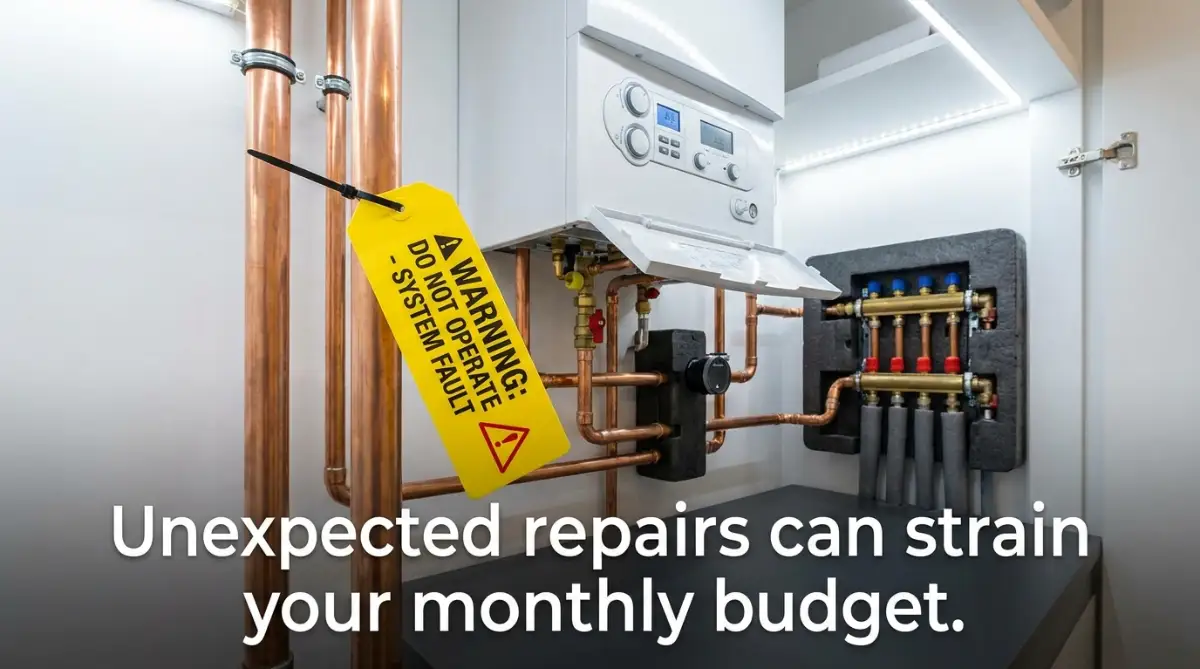
Unexpected repairs, rising property taxes, insurance premiums, and routine maintenance can quickly stretch your budget if you are not prepared. Knowing these hidden costs before you buy allows you to plan ahead, protect your savings, and enjoy homeownership with far fewer financial surprises.
Why the Purchase Price Is Only Part of the Story
When you look at a home online, you see the listing price. This number is what most people base their budget on, but it does not tell the whole story. There are several ongoing expenses that will increase your monthly housing bill significantly.
To make a smart decision, you must look past the purchase price. You need to understand where your money will actually go each month. Let us look at the most common expenses that surprise new buyers.
The Silent Creep of Property Taxes
Most people look at the past property tax bill and think it will stay the same forever. That is a mistake that can cost you thousands of dollars over time. Local governments revalue homes regularly, and your tax bill can jump suddenly.
When the home value goes up, your tax bill goes up too. This happens because your lender adjusts your escrow account to cover the new tax rate. You might end up paying hundreds of dollars more each month without any warning.
I recommend calling the local tax assessor's office before you sign any papers. Ask them how often they reassess homes in that specific neighborhood. This simple phone call can save you from a major financial shock later.
Homeowners Insurance and the Hidden Upgrades
Your lender will require you to get standard homeowners insurance. But standard policies do not cover every type of damage. If you live in an area prone to floods or earthquakes, you will need extra coverage.
Even a basic policy can cost more than your initial online quote. Older homes with old wiring or roofing cost much more to protect. Insurance companies might even require you to replace the roof before they cover you.
Always get three different insurance quotes before signing the closing papers. Look closely at the deductibles and see what is actually excluded from the policy. It is better to know the limits now than during an emergency.
The Truth About the Annual Maintenance Rule
You might have heard about the one percent rule for home maintenance. This rule says you should save one percent of your home's value for yearly repairs. In reality, this is often not enough for older houses.
A roof replacement or a new heating system can cost ten thousand dollars or more. These big problems do not wait until you have saved enough money. They happen at the worst possible times, like the middle of winter.
When you rent, you just call the landlord when a pipe breaks. When you own, you are the landlord, and the plumber's bill is your responsibility.
Pro Tip: After buying my house, I made the mistake of spending my remaining cash on new living room furniture. When my air conditioning broke two weeks later, I had to use a high-interest credit card to fix it. My advice is to leave your spare rooms empty for the first six months and keep your cash for unexpected repairs.
The Unavoidable HOA Fees and Special Assessments
Many modern neighborhoods have Homeowners Associations (HOAs). These groups charge monthly or annual fees to maintain shared spaces like parks and pools. These fees can rise at any time based on the board's decisions.
Even worse are things called special assessments. If the community pool leaks, the HOA might charge every owner a large, one-time fee to fix it. This fee is not optional, and you must pay it on time.
Always read the HOA meeting minutes from the last two years before you buy. This will show you if the board is planning any expensive projects soon.
Watching a real-life breakdown can make these hidden numbers much easier to understand. This helpful guide explains exactly how to budget for these hidden costs so you do not get caught off guard.
Utility Bills That Scale with Your Space
Moving from a small apartment to a house means your utility bills will change. Heating and cooling a larger space requires much more energy. You might also have to pay for trash pickup and sewer services for the first time.
Water bills can also surprise you, especially if you have a large yard to water. These monthly bills add up quickly and shrink your spending money.
You can ask the seller for their utility bills from the past year. Most utility companies are happy to share average costs if you call them directly.
Myth vs. Reality: The Real Cost of Owning
Understanding these costs is easier when you compare common beliefs with reality. Here is a simple comparison to help you plan your budget.
The Cost of Tools and Equipment
When you move into a house, you realize you need many new tools. You need a lawnmower, shovels, ladders, and basic hand tools. Buying these items all at once can cost a lot of money.
Even if you buy cheap tools, the costs add up quickly. You also need a place to store them, which might mean buying a garden shed.
Try to buy these tools slowly over time instead of all at once. You can also look for used tools online to save money.
Private Mortgage Insurance (PMI)
If you put down less than twenty percent of the home price, you must pay PMI. This insurance protects the lender, not you, but you pay the monthly premium.
PMI does not build equity in your home. It is simply an extra fee added to your monthly mortgage payment.
You can request to remove PMI once you reach twenty percent equity. Keep track of your home's value so you can cancel it as soon as possible.
Tree Care and Landscaping Costs
Big trees look beautiful in a yard, but they require maintenance. Dead branches can fall and damage your roof or your neighbor's property. Removing a large tree can cost thousands of dollars.
If you do not maintain your yard, your city or HOA might fine you. Landscaping is not just about looks; it is about safety too.
Walk around the property and check the health of large trees before buying. If a tree looks sick, ask the seller to remove it before closing.
How to Build a Safe Budget Before You Buy
The best way to protect yourself is to change how you look at your budget. Do not let the bank tell you how much house you can afford. Their calculation does not include your personal lifestyle goals or hidden fees.
Create a separate emergency fund specifically for home repairs. This fund should be separate from your regular savings. Having this cash ready will give you peace of mind when things break.
Take your time during the home search. It is better to buy a cheaper house and have extra cash than to be house-poor. Your future self will thank you for making a smart, patient decision.
Smart Strategies to Master Your Homeownership Budget
Owning a home is a long journey that requires active planning. Once you move in, you need smart systems to keep your expenses low and predictable. If you only react to problems when they happen, your bank account will always face stress.
The key to success is staying ahead of the house and its needs. By taking a few proactive steps, you can save thousands of dollars over the years. Let us look at some practical ways to keep your home expenses under control.
Setting Up an Automated Home Maintenance Schedule
Houses do not break down overnight; they slowly wear out over months and years. Creating a seasonal checklist helps you catch small issues before they become expensive emergencies. For example, cleaning your gutters twice a year prevents water from pooling around your foundation.
Replacing your air filters every three months keeps your heating and cooling systems running efficiently. This simple task lowers your monthly energy bills and extends the life of your expensive equipment. You can write these tasks on a calendar or use a phone app to remind you.
If you are currently planning to buy, learning how to handle these systems early is wise. You can learn more about managing this transition by reading about how to navigate your first mortgage application process without constant anxiety. Preparing your finances early makes managing home systems much easier later.
Challenging Your Local Property Tax Assessment
Many homeowners do not know that they can challenge their property tax bills. If you feel your local government has valued your home too high, you can file an appeal. This process is often simple and can be done online through your county website.
Look at similar homes in your neighborhood to see what they pay in taxes. If your home is valued higher than identical properties, you have a strong case for a reduction. Lowering your tax valuation directly decreases your monthly mortgage payment.
You can visit the Consumer Financial Protection Bureau to find resources on home loans and property costs. Knowing your rights as a homeowner is a great way to save money.
Creating a Separate Savings Account Just for Your House
Do not mix your emergency fund with your home repair money. When you keep them in the same place, it is easy to spend your repair cash on other needs. Set up a separate savings account and call it your Home Sinking Fund.
You can set up automatic transfers from your paycheck directly into this account. Even saving fifty dollars a month will build a helpful safety net over time. When the water heater eventually stops working, you can pay for it without using credit cards.
If you are looking for ways to build value in your property without spending a fortune, there are many affordable strategies. You can check out this guide on how to increase your home's appraisal value without huge costs for smart budgeting tips.
Comparing Home Insurance Policies Every Year
Many people buy an insurance policy and let it renew automatically every year. Insurance companies often raise their rates slowly over time for loyal customers. Spending one hour a year shopping for new quotes can save you a surprising amount of money.
Ask your current insurance provider if they offer discounts for bundling your home and auto policies. Installing security cameras, smoke detectors, and smart water shut-off valves can also lower your premiums. These small safety upgrades pay for themselves by reducing your monthly insurance costs.
For safety ratings and natural hazard risks in your specific zip code, you can search on the Federal Emergency Management Agency database. This information can help you decide how much extra coverage you actually need.
Image Here-----------------
Costly Blind Spots That Can Ruin Your Financial Peace
Many new buyers fall into common traps because they focus on the wrong things. Making decisions based on emotions instead of numbers can lead to years of financial regret. It is important to know these pitfalls so you can avoid them completely.
When you understand these mistakes, you protect your savings and your peace of mind. Let us look at the errors that cost first-time buyers the most money.
Falling for Beautiful Cosmetics Over Structural Health
It is easy to get excited about stainless steel appliances, modern paint colors, and shiny quartz countertops. But these pretty features can easily hide serious problems behind the walls. A house with a new kitchen might still have a rotting roof or rusted plumbing pipes.
Always prioritize the structural health of the home over its cosmetic appearance. Replacing bad pipes or fixing a foundation issue costs far more than painting a room. Never let a beautiful kitchen blind you to the actual condition of the building.
To avoid buying a money pit, you must pay close attention during your home walk-throughs. Read this detailed list of major warning signs to spot in a home inspection to protect your investment.
Borrowing the Maximum Amount the Bank Offers
When you apply for a loan, the lender will tell you the maximum amount you can borrow. This number is not what you should actually spend on a house. The bank does not know your personal spending habits, travel plans, or childcare costs.
Borrowing your maximum limit leaves you with no breathing room in your monthly budget. You become house-poor, meaning all your money goes directly toward your housing payment. This situation makes it nearly impossible to save for future goals or enjoy your life.
For helpful tools and home buying calculators, you can visit the U.S. Department of Housing and Urban Development website. They offer free housing counseling services to help you determine a safe purchase price.
Ignoring Small Water Stains and Minor Leaks
A tiny water stain on your ceiling might look like a small issue that you can fix later. But water is a home's worst enemy and can cause massive damage very quickly. A small leak can rot wooden beams and create toxic mold behind your walls.
Fixing a small leak early might cost a hundred dollars, but waiting can turn it into a ten-thousand-dollar nightmare. Inspect your attic and basement regularly for any signs of dampness or unusual smells. If you see water where it should not be, call a professional immediately.
Maintaining a dry home keeps your family healthy and protects the structure of your property. Regular checks are the easiest way to keep your home safe and dry.
Failing to Budget for Home Utilities and Services
Many buyers forget that renting often includes free trash pickup, water, or sewer services. When you buy a house, you must pay all these service bills yourself. These monthly utility fees can add up to hundreds of extra dollars every month.
Before you make an offer on a home, ask the seller to show you their utility bills. This gives you a clear picture of what you will actually pay for heating, cooling, and water. Knowing these numbers helps you build a realistic budget before you sign the papers.
You can find more home budget tips and general financial resources at FinanceInfoIn. Planning your expenses carefully is the absolute best way to ensure long-term homeownership success.
Your Path to Stress-Free Homeownership
Buying a home is still one of the best ways to build long-term stability for your family. The secret to enjoying your home is simply being honest about the actual expenses. When you budget for the hidden costs, you remove the fear and uncertainty of owning property.
You do not have to let unexpected repairs ruin your financial future. By setting up a dedicated savings fund and checking your home regularly, you can handle any issue. You will have the confidence to face repairs because you have the cash ready to cover them.
I hope you use these strategies to protect your savings and build a secure future. My personal journey taught me that patience and smart planning are far more valuable than buying the biggest house on the block. Start building your home emergency fund today, review your monthly housing budget, and prepare for the expenses that many first-time homeowners never see coming.
1. Budget for Move-In Expenses
Buying a home does not end when you sign the paperwork. Many homeowners are surprised by the cost of moving trucks, new furniture, window coverings, cleaning supplies, and small home essentials. These expenses can quickly strain your budget if you are not prepared.
- Create a separate move-in budget before closing.
- Prioritize essential purchases over decorative items.
- Compare moving company prices in advance.
- Avoid using credit cards for non-essential purchases.
2. Watch Out for Pest Control Costs
Even a clean, well-maintained home can develop pest problems over time. Termites, ants, rodents, and other pests often require professional treatment, which can become an unexpected annual expense.
- Schedule a pest inspection before buying.
- Seal cracks and entry points around the home.
- Address infestations as soon as they appear.
- Include pest control in your yearly budget.
3. Plan for Furniture and Home Essentials
A larger home often needs more than just furniture. Curtains, lighting, storage shelves, kitchen tools, and bathroom accessories can add thousands of dollars to your overall moving costs.
- Buy essential items first.
- Furnish one room at a time.
- Compare prices before making large purchases.
- Leave room in your budget for unexpected needs.
4. Invest in Home Security
Protecting your home may involve additional costs such as security cameras, smart locks, alarm systems, or outdoor lighting. While these upgrades require an upfront investment, they can improve safety and may even reduce insurance premiums.
- Install reliable door and window locks.
- Consider security cameras for key entry points.
- Keep outdoor lighting in good working condition.
- Ask your insurer about security-related discounts.
5. Prepare for Seasonal Weather Expenses
Every season brings different maintenance needs. Winter may require heating system servicing, while summer often increases cooling costs. Storms, heavy rain, or snow can also create unexpected repair bills.
- Service HVAC systems before peak seasons.
- Clean gutters before heavy rainfall.
- Winterize outdoor plumbing where necessary.
- Budget for seasonal maintenance each year.
6. Know When Major Systems Will Need Replacement
Roofs, HVAC systems, water heaters, and electrical panels have limited lifespans. Understanding their age before buying a home helps you prepare for future replacement costs instead of being caught off guard.
- Ask for maintenance records before purchase.
- Learn the expected lifespan of major systems.
- Save regularly for future replacements.
- Replace aging systems before they fail completely.
7. Build a Dedicated Home Emergency Fund
Unexpected expenses are part of homeownership. Having a separate emergency fund allows you to pay for urgent repairs without relying on high-interest credit cards or personal loans.
- Keep repair savings separate from daily expenses.
- Contribute to the fund every month.
- Use it only for genuine home emergencies.
- Rebuild the fund immediately after using it.
8. Review Your Home Budget Every Year
Homeownership costs rarely stay the same. Reviewing your annual budget helps you adjust for higher taxes, insurance premiums, maintenance expenses, and utility bills before they become financial surprises.
- Review your annual housing expenses.
- Update your savings goals regularly.
- Track rising ownership costs.
- Adjust your budget as your needs change.
Common Questions About Homeownership Costs
What is the most common hidden cost that first-time homebuyers miss?
The most common unexpected expense is property maintenance and emergency repairs. Many buyers assume that a home inspection guarantees nothing will break for years. In reality, appliances and home systems can fail at any time, requiring immediate cash to fix.
How much cash should I keep in my home repair fund?
It is wise to keep at least one to two percent of your home's total value in a dedicated repair fund. For a three-hundred-thousand-dollar home, you should try to save three to six thousand dollars. This cash should be kept in a separate account so you do not spend it on daily expenses.
Do HOA fees stay the same over time?
No, Homeowners Association fees can and often do increase to keep up with inflation and repair costs. The HOA board can also charge special assessments for major community repairs. You should always review the HOA financial documents before purchasing a home in a managed community.
How do property taxes affect my monthly mortgage payment?
Most lenders collect your annual property taxes through a monthly escrow account. If your local government reassesses your home and raises your taxes, your lender will increase your monthly payment. This means your fixed-rate mortgage payment can still go up over time.
Is homeowners insurance mandatory when buying a house?
Yes, if you are using a mortgage to buy your home, your lender will require you to have active insurance. This policy protects their financial investment in the property in case of fire or major damage. You must keep this insurance active for the entire life of your home loan.
Can I estimate my utility costs before moving into a new home?
Yes, you can ask the seller for their utility bills from the past twelve months to see the actual costs. You can also contact the local utility companies directly and ask for the average bills for that address. This information will help you build an accurate monthly budget.
What is Private Mortgage Insurance and how do I get rid of it?
Private Mortgage Insurance is an extra monthly fee you pay if your down payment is less than twenty percent. This fee protects the lender if you default on your loan payments. You can request to remove this insurance once your home equity reaches twenty percent.
Disclaimer
This article is for informational and educational purposes only. The financial advice and suggestions provided here do not constitute official financial or legal services. Please consult with a licensed real estate professional, accountant, or financial advisor before making any major home buying decisions.