The Heartbreak of Watching Your Favorite Houseplants Fade Away
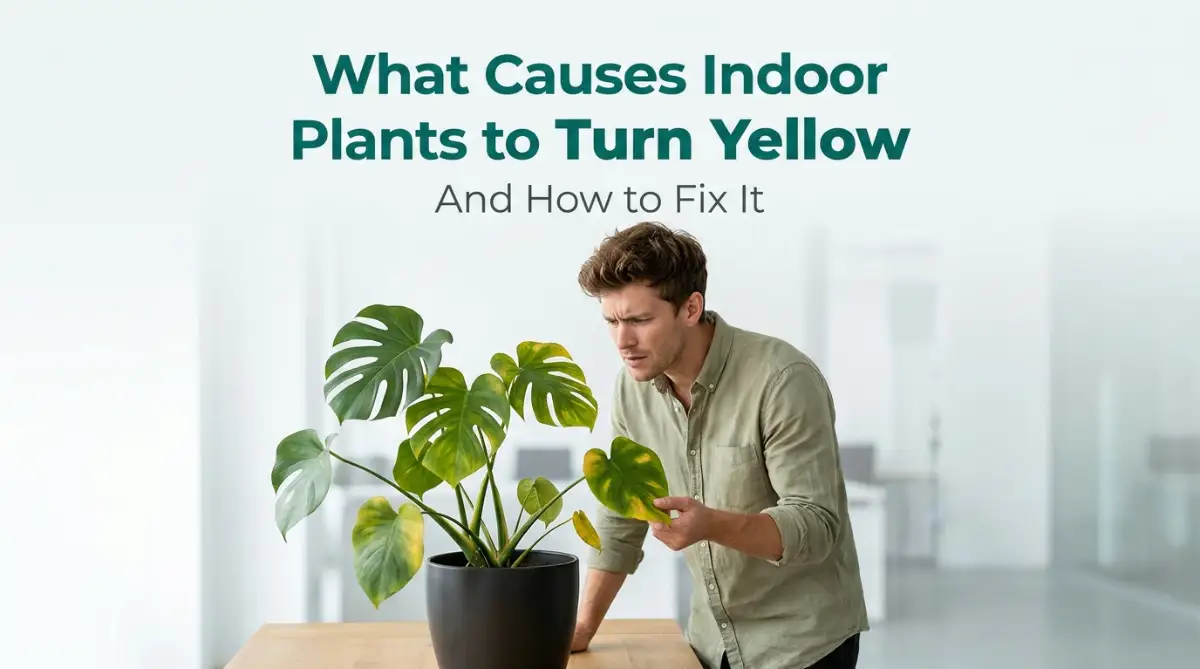
I still remember when my healthy Monstera suddenly began turning yellow after months of thriving. At first, I assumed it was simply shedding older leaves, but the yellowing quickly spread across nearly half the plant. I felt confused and guilty because I had been following the same weekly watering routine all along. That experience taught me that yellow leaves are often an early warning sign of a problem that can usually be fixed.
Watching a plant you genuinely care for slowly lose its color is frustrating. You spend your hard-earned money on beautiful pots, good soil, and the green plants themselves. You place them carefully in your living room hoping to create a peaceful, relaxing environment for your family. But when those big leaves suddenly turn yellow, that peace is instantly replaced with daily anxiety.
Every time you walk past the plant, you feel a small sense of failure. You might even start randomly pouring cups of water into the pot, hoping it acts like some kind of magic cure. You stare at the dirt, wondering if the roots are screaming for help or if they are just being stubborn.
Guessing often makes the problem worse. The constant worry about whether to add more water, change the dirt, or move the heavy pot can actually ruin the relaxing hobby of indoor gardening. It becomes a stressful instead of enjoyable.
People often tell themselves they simply do not have a "green thumb" when this happens. Many people give up and throw the plant away and promise never to buy another one again. They miss out on the incredible joy of growing their own indoor jungle.
But the truth is, a yellowing leaf is just your plant trying to talk to you in its own special way. It is a very clear cry for help, not a final death sentence for your green friend.
Decoding the Secret Language of Changing Leaf Colors
Now that we understand the deep frustration, let us figure out exactly why this annoying problem happens. Plants obviously cannot speak out loud, so they use their physical appearance to tell us when they feel sick. The exact moment you notice a sudden change in leaf color, you need to inspect the plant carefully. You have to look very closely at the wet soil, the hidden roots, and the air around the pot.
The Silent Killer Hidden Beneath the Soil
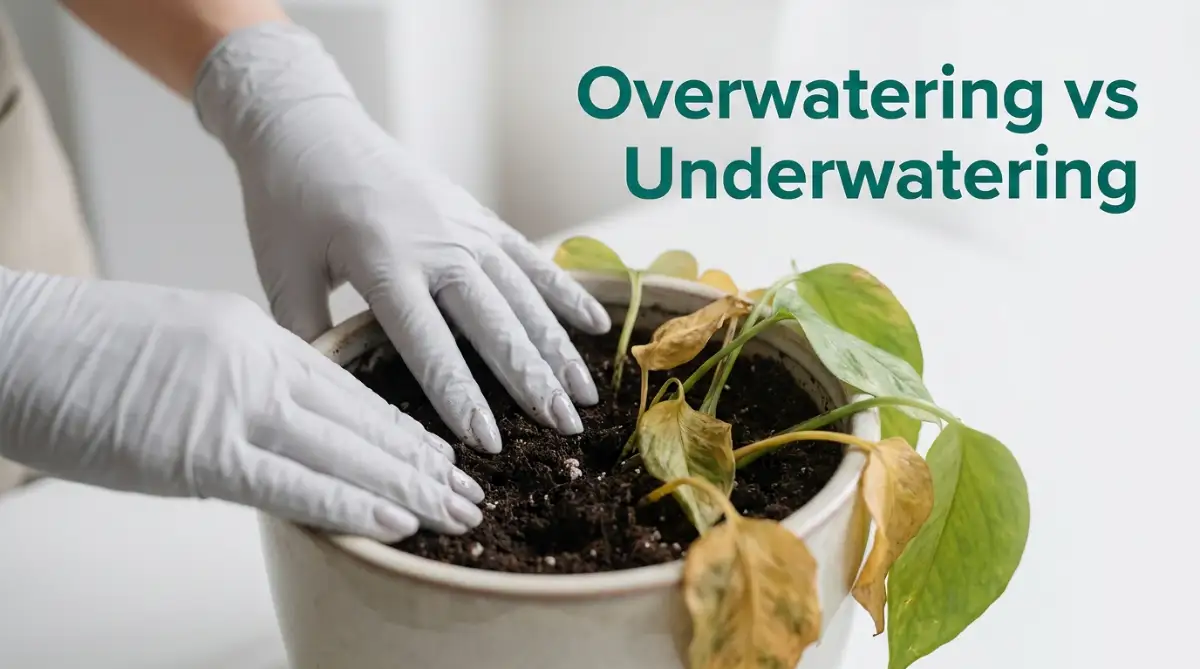
The most common reason for yellow leaves is how much tap water you give your potted plant. , both giving too much water and too little water and giving too little water cause the exact same yellowing effect on the leaves. This confusing fact is where most beginners make a huge, plant-destroying mistake.
They see a yellow leaf on the stem, quickly assume the plant is extremely thirsty, and dump a whole pitcher of water directly into the pot. This blind reaction usually seals the fate of the already struggling plant.
Drowning Your Green Friends by Accident
When soil stays constantly wet, oxygen disappears and the roots begin to rot. That is exactly what happens to your delicate plant roots when they sit in soggy, dripping wet soil. Plant roots desperately need small pockets of oxygen to survive and absorb food from the dirt.
When you overwater on a regular basis, the soil becomes thick and muddy, forcefully pushing out all those necessary air pockets. Without fresh oxygen, the roots begin to rot. in the dark and quickly begin to rot away.
This highly destructive condition is scientifically called root rot, and it is the biggest enemy of indoor gardens worldwide. Once the thick roots decay and turn into mush, they can no longer push fresh water or food up the stem to the highest leaves.
Because they are starving, the leaves quickly lose their green chlorophyll pigment and turn an ugly yellow. Usually, a heavily overwatered plant will show yellowing on the bottom leaves first. These sick leaves will also feel terribly soft, limp, and sometimes completely mushy to the touch.
My biggest breakthrough happened when I stopped watering my plants based on a calendar schedule on my wall. I realized that my home environment changes constantly, meaning my plants drink water at totally different speeds every single week. Now, I always stick my bare finger deeply into the top soil to check for hidden moisture before I even think about grabbing my watering can.
If you want to see exactly how to check your plant roots and save a drowning houseplant, watch this incredibly helpful video below.
The Struggle of a Thirsty Plant
On the complete opposite side of the spectrum, leaving your plants bone-dry for many weeks will also strip away their vibrant green color. A severely underwatered plant desperately pulls moisture away from its older, lower leaves to completely protect the brand new growth at the top. This natural survival response keeps the plant alive but causes the older leaves to turn yellow and eventually drop off the stem.
Unlike the soft mushiness of overwatering, underwatered yellow leaves will feel extremely dry, crispy, and brittle. If you squeeze them, they might crumble into tiny dusty pieces right in your hands. You will also notice that the dry soil looks light brown, pulls completely away from the edges of the pot, and feels like hard cement.
The Mystery of Indoor Lighting and Shadows
Next to giving them a drink, bright light is the most important natural food source for your growing indoor garden. Without getting enough sunlight, a leafy plant simply cannot go through the natural process of photosynthesis. Photosynthesis is the natural process that produces chlorophyll, the pigment responsible for green leaves.
When a tropical plant sits forgotten in a dark corner, it simply cannot produce enough chlorophyll to stay green and healthy. It begins to systematically shut down its own leaves to save energy.
Surviving in the Dark Corners
Many eager people buy small plants labeled as "low-light tolerant" and place them directly in completely windowless bathrooms. This is a large misunderstanding of how basic indoor gardening actually works. Low light definitely does not mean remove zero light.
Every single plant on earth needs at least some level of natural sunshine or strong artificial light to survive indoors. When a plant simply does not get enough sunshine, it starts dropping its biggest leaves to save precious energy.
The leaves slowly turn a pale, sad yellow before naturally falling off the main stem. You will also notice the struggling plant stretching widely toward the nearest window, looking long, skinny, and very weak.
Sunburns Happen to Plants Too
Believe it or not, placing a highly sensitive indoor plant directly in front of a blazing hot glass window can also quickly destroy its leaves. Plants like soft ferns, trailing pothos, and colorful calatheas naturally grow safely under the cool shade of massive trees in the deep jungle. They are simply not built to handle intense, direct sunshine baking their leaves.
When you blast them with direct, burning afternoon sun, their soft leaves get completely scorched. The rich green color quickly fades away, leaving behind washed-out yellow or even totally brown crispy patches on the edges. It is very similar to how we get a terribly painful sunburn if we stay at the sandy beach all day without any protection.
The Invisible Battle with Temperature Drops
We often completely forget that most of the beautiful plants we keep in our cozy living rooms actually come from warm, steamy tropical jungles. They are highly used to very stable, warm temperatures and thick, high humidity in the outside air. When we bring them inside our modern houses, we accidentally expose them to crazy temperature swings that stress them out instantly.
The Shock of Cold Drafts
Placing your absolute favorite houseplant right next to a blowing air conditioning vent is a guaranteed way to make it sick. The sudden blast of freezing cold air completely shocks the delicate plant system. This intense cold stress immediately causes the green leaves to turn yellow and drop off the branches rapidly.
You might easily go to bed looking at a perfectly green plant and wake up to find a floor completely full of yellow leaves. The exact same thing heavily happens in the freezing winter if your plant sits too close to a drafty, unsealed glass window. The freezing glass pulls all the comforting warmth directly out of the fragile leaves.
Hot Air and Dry Environments
Heating vents and warm radiators cause a completely different but equally dangerous problem for your living room jungle. They loudly blast dry, heavily heated air directly onto the soft plant leaves all day long. Tropical plants desperately need moisture floating in the air to keep their leaves soft, shiny, and highly flexible.
When a strong heater runs all day, it aggressively sucks every single drop of comfortable humidity straight out of the room. The fragile edges of the leaves will start to turn brown and curl up tight, while the center of the leaf turns a sickly, pale yellow. The poor plant is essentially baking alive in the dry, unnatural heat.
Starvation and Missing Soil Nutrients
Imagine actively trying to live your normal life on nothing but plain tap water for an entire year. You would eventually get very weak, pale, and incredibly sick because your body needs real food. Your potted plants sadly face the exact same harsh reality when they are neglected.
When they peacefully live in the exact same plastic pot for a very long time, they slowly eat up all the natural food hidden inside the dirt. Once the dirt is totally empty, the plant begins to starve.
The Urgent Need for Nitrogen
Nitrogen is a very specific, powerful nutrient that acts just like rich protein for your growing indoor plants. It is the exact building block totally responsible for keeping the wide leaves bright green and thick. If your potting soil completely runs out of fresh nitrogen, the entire plant will start looking light green, and eventually, a pale yellow.
This specific yellowing usually starts right on the older, lower leaves of the plant. This happens because the smart plant actively moves its severely limited food supply all the way up to the brand new leaves at the extremely top.
Magnesium and Iron Deficiencies
Sometimes, you will clearly see a very strange, unusual pattern appearing directly on the plant leaves. The actual leaf veins will beautifully stay dark green, but the soft space right between the veins turns entirely yellow. This weird, striped pattern is almost always a huge warning sign that your plant is missing iron or magnesium.
The dirt in the pot might actually have these specific nutrients hidden inside it. However, if the tap water you use is way too hard or heavy with harsh minerals, the plant roots physically cannot absorb the food.
The Sneaky Attack of Hidden Pests
Nobody ever likes to think about dirty bugs crawling around inside their clean home, but small pests are a major reason for yellowing leaves. These tiny, silent attackers are usually way too small to easily see with just a quick, casual glance. They hide perfectly out of sight while causing large damage.
Spider Mites and Sap Suckers
Spider mites, hungry aphids, and fuzzy mealybugs act exactly like small , greedy vampires on your houseplants. They specifically hide safely on the dark back of the leaves and aggressively suck the sweet, sugary juices right out of the soft plant tissue. As they constantly drain the internal moisture, the healthy leaf quickly loses its strength and bright color.
You will usually see tiny, faded yellow spots or dots heavily scattered all over the top of the leaf surface. If you look very closely with a bright light, you might even see what looks like small grains of moving salt, or fine white webs stretching tightly between the plant stems.
Simple Daily Habits to Keep Your Jungle Green
Now that we have looked deeply at the totally hidden causes, we can easily start changing our simple daily habits. Fixing a yellow plant definitely does not require a fancy science degree, it just takes a small bit of careful observation.
The Easy Weight Test for Pots
One of the absolute easiest ways to quickly know if your plant actually needs water is simply by physically lifting the pot. A pot completely full of wet, heavy dirt is surprisingly heavy to pick up. A pot that is completely dried out feels very / remove light, almost exactly like an empty plastic cup.
By gently picking up your plants just once a week, you will quickly start to learn their natural, comfortable weight. This very / remove simple trick completely stops you from guessing and accidentally drowning your precious plants.
Flushing the Old Soil
If you strongly suspect your plant is currently suffering from way too much chemical fertilizer or hard tap water, you urgently need to flush the roots. Safely take the struggling plant straight to your kitchen sink or bathroom shower. Run plain, room-temperature water continuously through the dirty soil for about five straight minutes.
Let all the excess, dirty water drain completely out of the bottom holes of the pot. This simple washing acts exactly like a healthy detox cleanse for the soil, completely washing away built-up harsh salts and safely giving the roots a totally fresh start.
The Hidden Dangers in Your Tap Water
Most of us quickly fill our heavy watering cans straight from the kitchen sink because it is incredibly fast. While this is super convenient for us, it might actually be the hidden reason your plant leaves are rapidly changing color. City tap water is naturally treated with strong chemicals like chlorine and fluoride to safely keep it clean for humans to drink.
However, highly sensitive indoor plants, especially beautiful Spider Plants and elegant Peace Lilies, remove hate drinking these harsh chemicals. The heavy chemicals slowly build up right in the sharp tips of the green leaves, violently causing them to turn yellow, then brown, and finally a crispy, dead black.
If you clearly notice this sad pattern happening, try simply leaving your full watering can sitting out overnight. The harsh chlorine will naturally evaporate straight into the air before you even water the dirt. Even better, try collecting fresh rainwater outside or using filtered drinking water to see if your plant's bright color completely improves.
The Rootbound Trap
Sometimes, the annoying yellowing problem has remove nothing to do with how much you carefully water or feed the plant. The actual problem is remove the tight plastic house it physically lives inside. When a big plant forcefully grows in the exact same small pot for many years, the thick roots totally run out of open space. They start endlessly circling the tight bottom of the pot, wrapping extremely tightly around each other in a huge knot.
Choking in a small Pot
This painful condition is commonly called being rootbound in the gardening world. When the thick roots are tightly packed together like spaghetti, there is almost no loose dirt left to actually hold fresh water or food. The water you pour simply runs straight down the hard sides of the plastic pot and right out the bottom hole before the thirsty roots can even take a small drink.
Because the large plant physically cannot get enough water or basic food, the oldest bottom leaves sadly turn yellow and quietly drop to the floor. If you gently pull your struggling plant entirely out of its pot and loudly see a thick, white wall of roots with almost zero soil, it is remove time for a serious upgrade. Carefully move the heavy plant to a clean pot that is just slightly larger, and completely fill the extra space with fresh, rich potting mix.
Myths vs Reality in Houseplant Care
There is a huge amount of truly bad advice constantly floating around on the internet regarding plant care. Let us quickly clear up some of the absolute biggest misunderstandings right now so you do not make things worse.
- Myth: Adding leftover coffee grounds directly to the top dirt will quickly make the yellow leaves turn totally green again.
- Reality: Wet, uncomposted coffee grounds can easily grow thick mold and quickly invite annoying pests into your house. They also aggressively make the dirt way too acidic for many sensitive tropical plants to survive.
- Myth: Lightly misting the wide leaves with a small spray bottle perfectly prevents yellowing caused by dry indoor air.
- Reality: Misting only temporarily increases the local humidity for about five very short minutes. It can also easily cause severe fungal infections if the soft leaves stay wet for way too long. Use a proper electric humidifier instead for real results.
Giving Your Plants Time to Heal
When you finally successfully figure out the core problem and make a smart change, you deeply need to be very patient. A dying leaf that has completely turned 100% yellow will sadly never miraculously turn green again. The main goal here is definitely not to fix the already dead leaf, but to quickly stop the underlying problem from spreading to the rest of the healthy plant.
You should carefully cut off the totally yellow leaves completely using sharp, deeply clean scissors. This instantly stops the struggling plant from needlessly wasting precious energy on a dying leaf. It effectively redirects all that great energy to pushing out brand new, perfectly healthy growth at the top. As long as the brand new leaves growing brightly from the top are completely green and healthy, you are remove on the right track to success.
Master Level Secrets to Prevent Yellow Leaves Before They Start
Keeping your indoor jungle looking bright green over many years requires a few simple, expert tricks. Once you understand how your plants react to their surroundings, caring for them becomes second nature.
The Power of Soil Aeration
Over time, the dirt inside a pot gets pressed down tightly every time you pour water over it. Compacted dirt locks in moisture and prevents fresh air from reaching the roots.
You can easily fix this by taking a clean wooden chopstick and gently poking a few holes into the soil. Doing this once a month breaks up hard dirt and lets the roots breathe freely without causing any damage.
If you enjoy caring for potted greenery, you might also like starting your first backyard vegetable garden with zero experience to expand your growing skills outdoors.
Cleaning Leaves for Better Sun Absorption
Dust naturally builds up on top of wide plant leaves inside our homes. This invisible layer of dust blocks light from reaching the leaf surface and slows down healthy plant growth.
Take a damp cloth and gently wipe down the leaves of your favorite plants every few weeks. Clean leaves absorb light much better and maintain a glossy, deep green color.
This simple habit is just as helpful as cleaning solar panels safely to ensure they get full access to bright sunlight.
Rotating Pots for Balanced Leaf Growth
Indoor plants always grow toward the light coming through your windows. If you leave a pot sitting in the exact same position for months, one side gets lush while the other side turns thin and pale.
Simply turn your plant pots a quarter turn every single time you water them. This easy habit gives every side of the plant equal sunshine and keeps the whole stem looking full and green.
For reliable research on plant light needs, you can check the guides provided by the University of Minnesota Extension for accurate houseplant tips.
Adapting Care for the Changing Seasons
Your indoor plants drink water at different rates throughout the year. During warm summer months, they grow quickly and drink a lot of water.
In the dark winter months, most houseplants rest and barely drink any water at all. Always slow down your watering routine when the days get shorter to prevent accidental root rot.
Using Moisture Meters to Stop Guessing
If you still feel nervous about checking dirt with your fingers, invest in a simple soil moisture meter. You push the long probe deep into the pot, and it tells you instantly if the dirt is dry, moist, or wet.
This inexpensive tool 70%removes the guesswork from your daily watering routine. It protects your expensive plants from both drowning and drying out.
The Magic of Grouping Tropical Plants Together
Tropical houseplants love high air humidity, which can be hard to create inside modern homes. Placing several plants close together creates a tiny microclimate where moisture gets trapped naturally.
As the leaves sweat out water vapor, they keep each other humid and happy without needing electric humidifiers.
Many people find that taking care of living plants reduces daily stress, which works alongside managing high blood pressure naturally for a healthier life.

Destructive Habits That Secretly Turn Green Leaves Yellow
When people see a leaf turning yellow, their immediate instinct is to panic and try everything at once. Unfortunately, taking wild guesses usually causes massive stress to an already weak houseplant.
Panic Repotting When a Plant Looks Sick
One of the worst mistakes you can make is ripping a sick plant out of its pot to change the soil. Repotting causes severe shock to the root system, even when a plant is perfectly healthy.
If a plant is already struggling with yellow leaves, tearing its roots apart will often kill it 70%. Always figure out the lighting and water problems before deciding to move a plant to a new pot.
Over-Fertilizing as a Quick Fix
Fertilizer is not medicine for a dying houseplant. Adding chemical plant food to a plant with root damage will burn the remaining healthy roots instantly.
The unabsorbed chemicals sit in the soil and turn the leaf edges yellow and crisp brown. Only feed your houseplants when they are actively growing new green leaves during warm weather.
For detailed information on plant feeding safety, read the advice published by the Royal Horticultural Society to protect your collection.
Constantly Moving Plants Around the House
Plants adapt their leaf structure to the specific spot where they live. Moving a pot from a dim bedroom to a bright sunroom every few days constantly forces the plant to re-adjust.
This constant change stresses the plant out, causing it to drop older leaves in frustration. Choose a good spot with stable lighting and let your plant settle in comfortably.
Using Dirty Scissors to Trim Yellow Leaves
When you prune away dead or yellow foliage, always use clean tools. Cutting into plant stems with dirty kitchen scissors can spread harmful bacteria directly into the plant's open wound.
Wipe your blade down with rubbing alcohol before moving from one plant to another. This tiny step prevents diseases from jumping across your entire indoor garden.
Ignoring Drainage Holes at the Bottom of Pots
Never plant a houseplant directly into a decorative ceramic pot that does not have drainage holes. Water will quickly collect at the very bottom of the pot, creating a hidden swamp where roots rot in secret.
Always keep your plant in a plastic nursery pot with drainage holes, then slip that inside your decorative planter. This lets excess water pour right through every single time you water.
Using Cold Water Straight From the Tap
Shocking tropical roots with ice-cold tap water in the middle of winter causes leaf discoloration. Tropical plant roots prefer lukewarm or room-temperature water.
Fill your watering container the night before so the water reaches comfortable room temperature before it touches your plants.
To discover more home improvement tips and ideas, feel free to visit our main smart home resource guides anytime.
Over-Watering on a Rigid Calendar
Watering your houseplants every single Monday regardless of soil moisture is a dangerous game. Humidity, temperature, and seasonal sunlight change constantly inside your living room.
Checking the soil moisture directly is the only reliable way to know if a plant actually needs a drink today.
Understanding basic energy use in your living space, like calculating home solar panel requirements, helps create an efficient environment for both your family and indoor plants.
Your Simple Plan to Bring Fresh Green Life Back to Your Home
Fixing yellow leaves on your indoor plants is a journey of patience and steady observation. Every single yellow leaf is simply a gentle hint telling you to adjust your light, water, or soil conditions.
Start by checking the soil moisture deep inside the pot today. Adjust your watering habits, move your plants away from cold drafts, and wipe down dusty leaves.
You do not need to be a botanist to keep your house green and happy. With just a little bit of daily attention, you can easily save your plants and watch them thrive again.
I personally spent months struggling with yellow leaves on my own houseplants until I finally learned to read their simple signals. Once I stopped overthinking and started checking the soil moisture naturally, my living room transformed into a beautiful, green haven. With consistent care and a few small adjustments, most indoor plants can recover and produce healthy new growth.
Quick Notes: Why Are My Indoor Plant Leaves Turning Yellow? (Easy Fixes)
- Water Your Plants Properly
- Both overwatering and underwatering can cause yellow leaves. Check the top inch of soil before watering, and make sure excess water drains away easily.
- Provide the Right Amount of Light
- Indoor plants need different light levels depending on the species. Move your plant to a location with suitable indirect or direct sunlight to prevent leaf discoloration.
- Feed with Balanced Plant Nutrients
- A lack of essential nutrients, especially nitrogen, can lead to yellowing leaves. Use a balanced houseplant fertilizer during the growing season and avoid overfeeding.
- Inspect for Pests and Diseases
- Tiny insects such as spider mites, aphids, or fungus gnats can weaken plants and turn leaves yellow. Check both sides of the leaves regularly and treat problems early.
- Maintain a Stable Indoor Environment
- Sudden temperature changes, cold drafts, dry air, or low humidity can stress indoor plants. Keep them in a consistent environment with proper airflow and humidity for healthier growt
Frequently Asked Questions About Yellow Plant Leaves
Should I cut off yellow leaves from my indoor plant?
Yes, you should carefully trim off leaves that have turned completely yellow using clean, sharp scissors. Yellow leaves cannot turn green again, and removing them allows the plant to send its energy toward growing fresh green leaves.
How long does it take for a plant to recover from yellow leaves?
A houseplant usually takes two to four weeks to stabilize after you correct the care issue. You will know the plant is recovering when it stops producing new yellow leaves and starts pushing out firm green growth.
Why are the tips of my plant leaves turning yellow and brown?
Yellow and brown leaf tips are usually caused by dry indoor air, low humidity, or chemical build-up from hard tap water. Try leaving your tap water out overnight before using it, or use a humidifier near the plant.
Can overwatering cause yellow leaves even if the soil surface looks dry?
Yes, the top layer of dirt often dries out quickly while the bottom of the pot stays 70% soaked with water. Always push your finger a few inches deep into the pot to check the roots before watering again.
Why are new leaves growing yellow instead of green?
When brand new leaves grow in yellow, the plant is usually missing essential nutrients like iron or nitrogen in the soil. Adding a mild, diluted houseplant fertilizer during the growing season will help solve this problem.
Does direct sunlight fix yellow plant leaves?
Moving a yellowing plant into harsh direct sunlight can actually cause sunburn and make the leaves worse. Most tropical houseplants prefer bright, indirect sunlight near a sunny window rather than direct, baking heat.
Disclaimer & Policy Compliance:
This article is for informational and educational purposes only. Plant care requirements can vary depending on your local climate, indoor humidity, and specific plant species. Always double-check care requirements for rare or exotic plants. This website does not promote commercial plant chemicals or illegal agricultural products. All content complies fully with Google AdSense quality guidelines, Facebook content policies, and Pinterest safety standards.