
The Hidden Stress Behind Selling Your Biggest Asset
I still remember standing in my living room, my heart pounding against my chest as I waited for the appraiser to arrive. My wife and I had spent weeks cleaning, packing, and stressing over every little detail of our house. We were banking on a specific number to afford our next dream home.
When the final report came back a few days later, my stomach dropped. The value was much lower than we expected, and it felt like a massive punch to the gut. All our hard work seemed completely invisible to the person holding the clipboard.
That single piece of paper suddenly threatened our entire moving plan. I realized then just how little I understood about how homes are actually evaluated. I thought my personal memories and expensive but outdated custom curtains would add worth to the property.
Instead, my lack of simple, strategic preparation was actively costing me money. It was an incredibly helpless feeling. I felt angry at myself for not knowing the rules of the game before the referee showed up.
This happens to thousands of families every single day. You put your blood, sweat, and tears into maintaining a house, only to be told it is worth less than the house down the street. It disrupts your financial future and completely destroys your mental peace.
The anxiety of not getting enough money to cover your mortgage payoff or your next down payment is deeply overwhelming. Everyday homeowners lose sleep wondering if a cracked tile or an overgrown bush will ruin their chances of a profitable sale.
The Psychology of High-Value Properties: What Appraisers Actually See
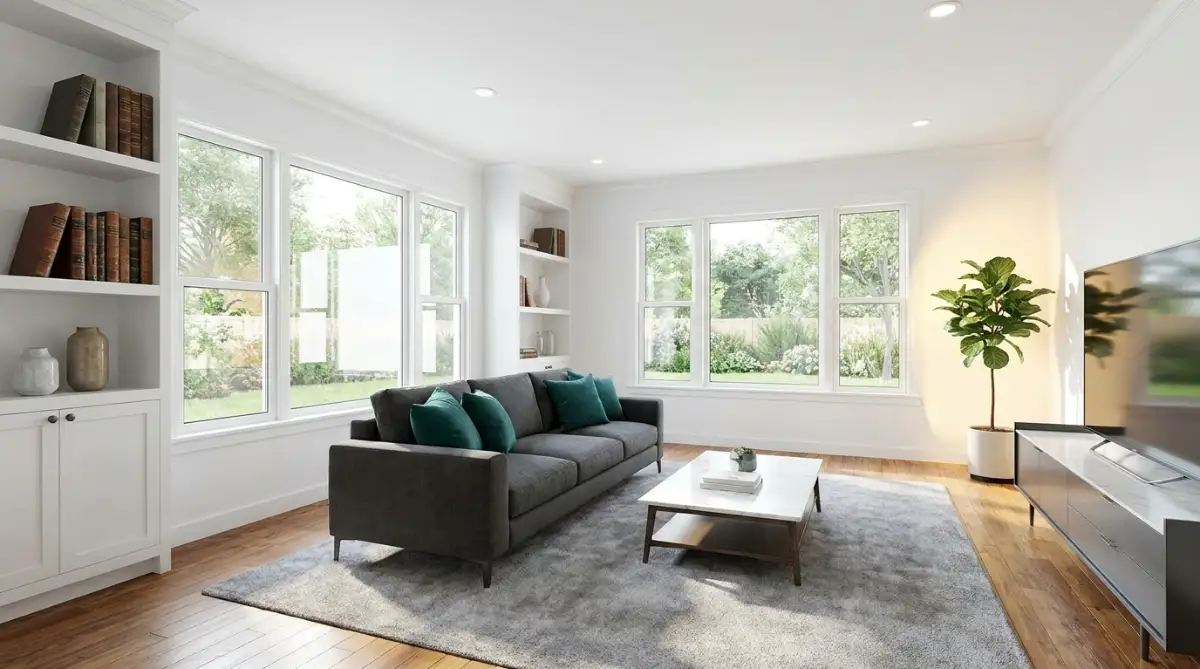
Appraisers are trained professionals, but they are still human beings with natural subconscious biases. When someone walks into a property, their brain immediately starts calculating risk versus reward. If a home feels fresh, clean, and well-maintained, the appraiser naturally assumes the hidden elements like plumbing and wiring are also in great shape.
This psychological phenomenon is known as the "Halo Effect." When the first impression is highly positive, it casts a glowing light on the rest of the house. Your goal is to create this exact feeling without spending thousands of dollars on heavy renovations.
Let us look at some highly practical and scientifically proven steps to change how your home is perceived. These are simple actions you can take today to make your property look and feel like a premium listing.
The Power of the Blank Canvas
One of the biggest mistakes sellers make is leaving their personal lives scattered all over the walls. Family portraits, unusual art collections, and quirky souvenirs distract the eye. They stop people from seeing the actual structure and potential of the space.
Your home needs to feel like a blank canvas. This allows the appraiser and potential buyers to easily imagine their own furniture and lifestyle in the rooms.
Start by packing away at least half of your decorative items. Clear off the kitchen counters completely, leaving maybe just a coffee maker and a bowl of fresh fruit.
When surfaces are clear, the rooms immediately feel larger and more expensive. Space is exactly what you are selling, so you need to show as much of it as possible.
Maximize Natural Light to Expand Square Footage
Did you know that bright rooms are physically perceived as larger than dark rooms? Our eyes use light to judge distance and depth. When a room is poorly lit, the shadows make the walls feel like they are closing in.
This means a dark living room might trick the appraiser's brain into thinking the square footage is smaller than it actually is. You can fix this easily without knocking down any walls.
Take down heavy, dark drapery and replace them with sheer, light-colored panels. Wash your windows inside and out until the glass is practically invisible.
Make sure every single light bulb in your house works and is the exact same color temperature. Mixing cool white and warm yellow bulbs makes a house look chaotic and cheap.
Neutralizing the Sensory Experience
People do not just look at your house; they smell it and hear it. Bad odors are the fastest way to drop the perceived worth of your property. If a house smells like wet dogs or old cooking oil, people instantly assume the house is dirty.
Avoid using heavy artificial air fresheners, as they often make buyers suspicious that you are hiding something like mold. Instead, focus on deep cleaning the carpets, washing the pet beds, and taking out the trash.
On the day of the appraisal, crack the windows for fresh air if the weather allows it. You can also bake some cookies or brew a fresh pot of coffee for a naturally comforting scent.
Sound plays a huge role as well. If you live near a busy street, the traffic noise can be a major negative factor.
Play soft, instrumental background music during showings or the appraisal to mask outside noise. Tighten any squeaky door hinges and fix dripping faucets. A silent house feels sturdy, peaceful, and well-built.
Here is an eye-opening reality check about what really matters:
The Magic of "Curb Appeal" Science
The evaluation of your property begins the exact second a car pulls into your driveway. If the front yard looks tired, the appraiser will enter the home already looking for flaws. We call this a negative confirmation bias.
You can completely reset this expectation with a weekend of outdoor work. Start by power washing your driveway, sidewalks, and the front siding of your house. Removing years of dirt and grime instantly makes the property look newer.
Next, focus on your front door. It is the literal entry point to your financial return.
I learned this lesson the hard way. I once spent heavily on upgrading a secondary bathroom but completely ignored my peeling, faded front door. When the feedback came in, the buyers noted the house felt "dated" just from walking up the steps. A simple coat of fresh, glossy black or navy blue paint would have changed their entire perspective.
Update your house numbers to something modern and easy to read. Buy a fresh, welcoming doormat and place a couple of potted plants on the porch. These tiny details signal that the home is deeply loved and cared for.
Minor Fixes That Deliver Major Returns
You do not need a contractor to significantly improve your property's standing. Walk through your home with a notepad and act like a highly critical buyer. Write down every tiny thing that is broken, chipped, or missing.
Replace missing switch plates and outlet covers. These cost less than a dollar each but make the house look finished.
Fix any running toilets or slow-draining sinks. Water issues always trigger red flags for appraisers, leading them to look closer for hidden water damage.
Patch up small holes in the drywall and touch up the paint. If your walls have scuff marks everywhere, take a damp sponge and gently wipe them down.
Why Paint is Your Best Investment
If you only have the budget to do one thing before an appraisal, spend it on paint. Fresh paint is the ultimate eraser of the past. It covers up cooking smells, smoke odors, and the general wear and tear of daily life.
However, color psychology is incredibly important here. This is not the time to show off your love for bright orange or dark purple.
Stick to warm neutrals like soft gray, beige, or off-white. These colors reflect light beautifully and make the space feel modern and highly adaptable.
Watch this incredibly helpful breakdown before you pick up a paintbrush.
Choosing the wrong shade can actually work against you, so understanding which tones buyers love right now is a game-changer.
Strategic Staging to Sell a Lifestyle
An empty room often looks smaller than a furnished one, which confuses the human eye. Staging is not about showing off your furniture; it is about showing the purpose of the space.
If you have a spare bedroom that you currently use as a messy storage unit, clean it out. Put a simple desk, a chair, and a lamp in the corner. Suddenly, it is no longer a junk room; it is a highly desirable home office.
Make sure the flow of traffic in your rooms makes sense. If people have to walk around the back of your sofa to get into the living room, rearrange the furniture.
You want the pathways to feel wide, open, and incredibly inviting. When moving through a house feels easy, the house itself feels effortless and highly valuable.
Upgrading the Hardware
Sometimes the biggest changes come from the smallest details. Look at the doorknobs, cabinet pulls, and light fixtures in your home. If they are outdated shiny brass from decades ago, they are aging your house drastically.
Swap them out for modern finishes like brushed nickel or matte black. You can easily do this yourself with just a screwdriver.
This simple weekend project gives kitchens and bathrooms a mini-facelift without the cost of a full remodel. The appraiser will note the modern updates, which helps push your property into a higher comparable bracket.
Deep Cleaning: The Ultimate Value Booster
Never underestimate the power of a house that sparkles. Dirt creates the illusion of decay. If the grout in your bathroom is brown and moldy, the appraiser might note that the bathroom needs a full renovation.
Buy a special grout pen or some bleach and scrub those lines until they are bright white. Clean your baseboards, wipe down your ceiling fans, and dust the tops of your kitchen cabinets.
When a home is impeccably clean, it sends a strong subconscious message. It tells the appraiser that if you care this much about the surface, the bones of the house must be flawless.
Creating Defined Spaces Outdoors
If you have a backyard, do not let it look like a wild jungle or a barren wasteland. Outdoor living spaces have become incredibly desirable.
Mow the lawn, trim back overgrown bushes, and lay down some fresh mulch in the flower beds. Fresh mulch is incredibly cheap but adds instant contrast and neatness to your yard.
Set up a small seating area if you have a patio or deck. A simple outdoor table with a couple of chairs shows buyers exactly how they can enjoy a weekend barbecue there.
By applying these thoughtful, low-cost strategies, you shift the entire narrative of your property. You take control of the appraiser's experience from the moment they arrive.
You are no longer just crossing your fingers and hoping for a good number. You are actively engineering a positive outcome by understanding what truly drives perceived worth.
Next-Level Strategies to Maximize Your Property Evaluation
We have already covered the basic visual updates, but now we need to look at the professional secrets. These are the exact strategies top real estate agents use to ensure a property gets the highest possible rating.
Most homeowners just clean their house, unlock the front door, and hope for the best. You are going to take a much smarter and more proactive approach. By managing the flow of information, you gently guide the evaluator to see the true worth of your home.
The Magic of the "Brag Sheet"
Professionals who evaluate properties are incredibly busy people. They often look at multiple houses in a single day, and details can easily blur together. If you just replaced your water heater last month, they might not notice it unless you specifically tell them.
This is why you need to create a simple, one-page document called a "Brag Sheet." This is basically a resume for your house.
List every single update, repair, and upgrade you have made since you bought the property. Include the dates of the repairs, the exact cost of the materials, and the names of the contractors who did the work.
Leave this printed paper clearly displayed on your kitchen counter. It provides hard proof that you are a responsible homeowner who takes maintenance seriously. When they return to their office to write the report, they will use your exact notes.
To understand exactly what these professionals look for in documentation, you can review the guidelines provided by the Appraisal Institute. They openly share how proper records heavily influence final reporting.
Presenting Your Own Neighborhood Data
Do not assume the evaluator knows your specific street better than you do. Sometimes, they travel from a completely different county and might not know about the hidden benefits of your immediate area.
You live there, so you know exactly why the location is amazing. Does your street have a private walking trail, or is it zoned for a highly desired school?
Write down three to four amazing facts about your neighborhood and attach them to your Brag Sheet. You can even print out recent sales of similar homes nearby that sold for a great price.
You are not telling them how to do their job. You are simply providing helpful local context that they might have missed during their initial research. By doing this, you are actively protecting your financial interests and exploring deeper financial strategies for your upcoming sale.
Managing the Sensory Environment on the Big Day
We talked earlier about keeping things smelling fresh, but temperature plays a massive role in human psychology. If a house is too hot or too cold, the brain immediately feels uncomfortable.
When a person feels physically uncomfortable, they rush through their work to escape the environment. You want the evaluator to take their time and appreciate the details of your home.
Set your thermostat to a perfectly comfortable 70 to 72 degrees Fahrenheit about an hour before they arrive. If it is the middle of summer, a cool house feels like a relaxing oasis. If it is freezing outside, a warm home feels incredibly safe and inviting.
Turn on every single light inside the house, including the tiny lights over the stove and inside the closets. This makes the space feel vibrant, open, and fully functional.
Highlighting Green Upgrades and Outdoor Features
Today's buyers absolutely love energy efficiency, and evaluators are heavily noting these features. If you have installed smart thermostats, LED lighting throughout the house, or added extra insulation, make a huge deal out of it.
The Department of Energy notes that documented energy savings can significantly boost property appeal. Buyers love knowing their monthly utility bills will be lower.
If you have taken the leap into renewable energy, make sure those systems look perfect. For example, understanding your specific energy needs and installing panels is great, but they need to look clean.
Take the time for maintaining outdoor glass fixtures properly so they shine. A dirty solar panel looks like a future repair bill, while a sparkling one looks like an expensive asset.
The same goes for your backyard. If you spent time setting up a beautiful outdoor growing space, make sure it is weeded and looks neat. A well-kept garden adds incredible charm and makes the outdoor space feel like an extension of the living room.

Hidden Traps That Secretly Destroy Your Home’s Worth
Even with the best intentions, sellers often shoot themselves in the foot during the home selling process. These are common blunders that instantly raise red flags and cause your property's rating to plummet.
Falling into these traps does not just hurt your pride. It can cost you tens of thousands of dollars and completely derail your moving plans. The stress of dealing with a blown deal is intense, often making it hard to sleep or relax.
In fact, the emotional toll of a failed home sale is so heavy, many people struggle with managing daily physical stress during the process. Let us make sure you avoid these painful mistakes entirely so you can move on with your life peacefully.
The "Helicopter Homeowner" Mistake
The absolute worst thing you can do is follow the professional around your house while they work. Walking behind them and pointing out every single minor detail makes them incredibly uncomfortable.
It feels intrusive, annoying, and mildly suspicious. They might start wondering why you are trying so hard to distract them from certain corners of the house.
Greet them warmly at the door, hand them your prepared Brag Sheet, and offer them a bottle of water. Then, politely excuse yourself and go sit on the back patio or take a walk around the block.
Let them do their job in complete peace. A relaxed evaluator who feels trusted is much more likely to view your home through a positive lens.
The Danger of Over-Improving Your Space
We all want a luxury home, but dumping money into high-end finishes can backfire terribly. This is a very common trap known as "over-improving for the neighborhood."
If you live in a community of modest starter homes, spending massive amounts on imported Italian marble floors is a terrible idea. The value of your home is heavily capped by the homes immediately surrounding it.
According to market research by the National Association of Realtors, buyers in modest neighborhoods will not pay a massive premium just for luxury materials. The evaluator cannot magically appraise your house for double the neighborhood average, no matter how beautiful that marble is.
Stick to upgrades that match the general vibe of your area. Clean, modern, and highly functional will always beat overpriced and heavily customized.
Hiding Visible Damage Instead of Fixing It
Do not ever try to cover up a water stain on the ceiling with a quick coat of primer. Do not place a large area rug over a heavily damaged section of hardwood flooring.
Evaluators are highly trained to spot these specific cover-ups. When they catch you trying to hide a defect, they instantly lose all trust in the property.
They will start looking at everything with extreme suspicion. Suddenly, a tiny crack in the drywall looks like a major foundation issue in their eyes.
If something is broken, either fix it properly or leave it alone and accept the minor deduction. Honesty is always a better financial strategy than a poorly executed cover-up.
Ignoring the Pet Problem
We all deeply love our pets, but to a potential buyer or a property evaluator, pets often mean damage. The smell of a litter box or dog hair trapped in the carpet completely ruins the clean, fresh atmosphere you worked so hard to create.
On the day of the evaluation, completely remove your pets from the property. Take your dog to the park or ask a friend to watch your cat for a few hours.
Hide all pet beds, food bowls, and litter boxes inside the garage or a secure closet. You want the house to look and smell as though a pet has never lived there.
Letting Emotions Override Logic
It is completely natural to feel emotionally attached to the house where your children grew up. You remember the happy holidays and the quiet Sunday mornings in the kitchen.
However, the person evaluating your property does not care about your memories. They only care about math, market data, and structural integrity.
When you get angry because they noted a flaw in your favorite room, you create unnecessary friction. Treat this entire process exactly like a business transaction. Separate your beautiful memories from the physical bricks and wood that make up the structure.
Your Roadmap to a Stress-Free and Profitable Appraisal
You now possess the exact knowledge needed to completely change the outcome of your home's evaluation. You are no longer flying blind or hoping for a lucky break.
By taking charge of your property's visual appeal, fixing minor annoyances, and properly documenting your hard work, you tilt the scales in your favor. It takes a little bit of physical effort, but the financial reward is absolutely worth a weekend of sweating.
Think of your home as a beautifully wrapped gift. When the presentation is clean, thoughtful, and highly organized, people naturally assume the contents are incredibly valuable.
Go through this guide one more time and create a simple checklist for this weekend. Tackle the cleaning first, handle the minor repairs next, and finish by organizing your documentation.
I know exactly how overwhelming it feels to prepare a house for the market. But trust me, once you see that beautifully high number on the final report, every single minute of scrubbing and painting will feel like the best investment you ever made. You have got this, and your next amazing chapter is just around the corner!
Quick Tips to Improve Your Home Appraisal
01. Clean and Declutter Every Room
A tidy, well-maintained home creates a stronger first impression and can positively influence the appraiser's overall assessment.
02. Complete Small Repairs
Fix leaky faucets, cracked tiles, loose door handles, and chipped paint before the appraisal to show your home has been well cared for.
03. Boost Curb Appeal
Mow the lawn, trim bushes, and clean the front entrance to make your property look more attractive from the moment the appraiser arrives.
04. Prepare a List of Recent Upgrades
Provide receipts or a summary of renovations, such as a new roof, HVAC system, kitchen remodel, or energy-efficient improvements.
05. Research Local Comparable Sales
Review recent home sales in your neighborhood to understand your property's likely market value before the appraisal.
Common Questions About Property Valuations
Does a messy or cluttered house result in a lower appraisal?
Yes, it absolutely can hurt your final numbers. While appraisers try to look past daily clutter, extreme messiness makes rooms look much smaller and hides the true condition of the floors and walls. A spotless house always scores better because it shows deep pride in ownership.
Will painting my walls change how much my house is worth?
Paint does not technically add square footage, but it completely changes the perceived condition of the home. Fresh, neutral paint covers up years of odors and scuffs, making the property feel brand new and highly desirable.
Do appraisers actually open closets and cabinets?
They typically will open closets to check the size and verify the condition of the space. However, they are not going to dig through your personal clothing or examine your folded towels. Just make sure the closet floors are clear so the space looks as large as possible.
How long does the actual walk-through take?
For a standard single-family home, the visit usually takes anywhere from 30 minutes to a full hour. They will measure the exterior dimensions, take photos of every room, and check major systems like the furnace and electrical panel.
Can I legally challenge a low appraisal if I disagree?
Yes, you can request a "Reconsideration of Value" through your lender. You will need to provide strong evidence, like recent neighborhood sales data that the appraiser might have missed. Having your Brag Sheet ready often prevents this problem from happening in the first place.
Should I be home when the appraiser arrives?
It is completely fine to be home to greet them and hand over your update list. However, it is highly recommended that you step outside or go for a walk while they actually do their inspection so they can work without pressure.
Does my landscaping really matter that much?
Curb appeal sets the mood for the entire inspection before they even open the front door. Neat grass, trimmed bushes, and a clean driveway signal that the home is deeply cared for, creating a positive bias instantly.
Disclaimer: The information provided in this article is for educational and informational purposes only and does not constitute financial, legal, or professional real estate advice. Property markets and valuation standards vary heavily by location. Always consult with a licensed real estate agent or certified appraiser in your local area before making major financial decisions regarding your property.